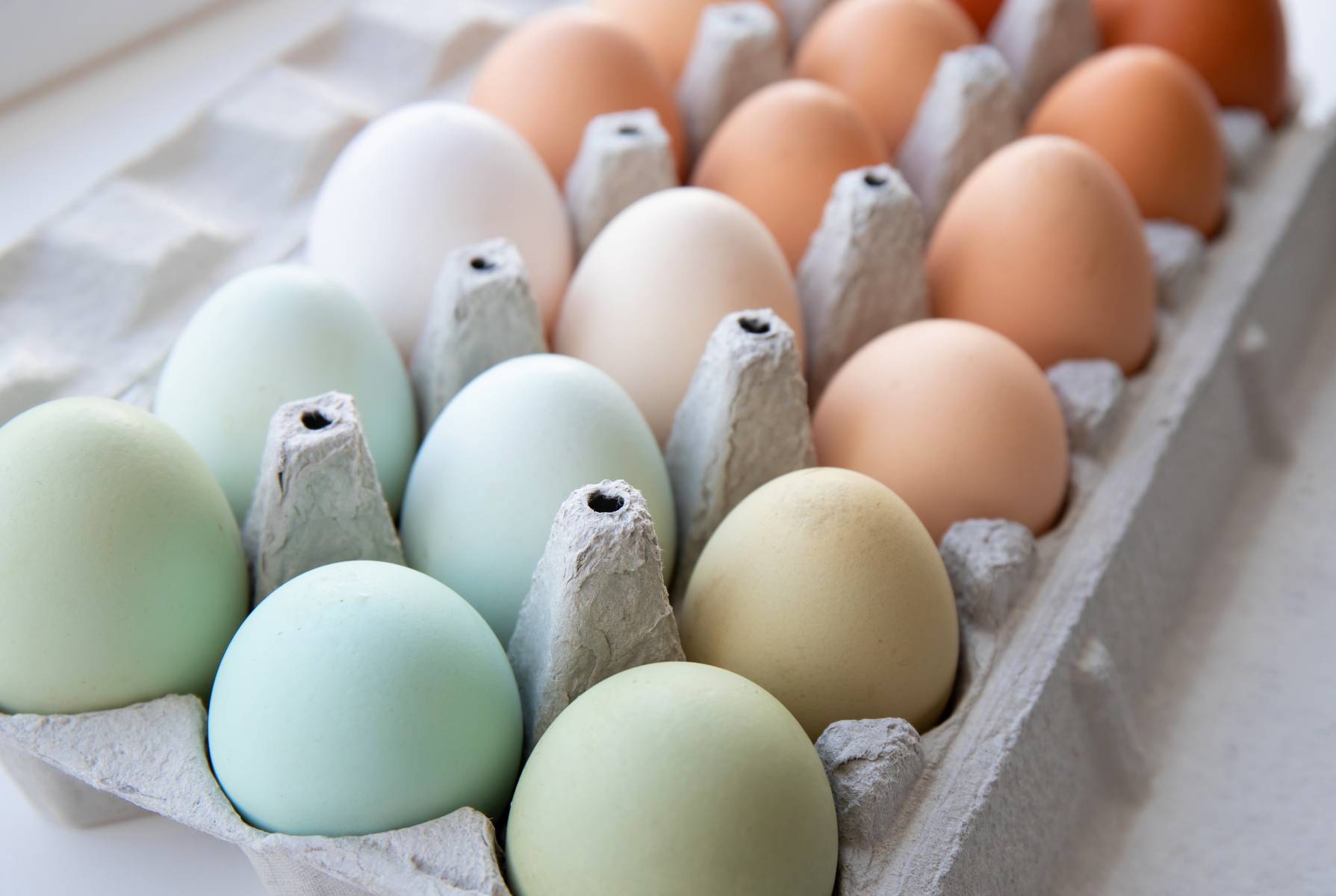
For many, the phrase "green eggs" instantly conjures vivid images of Dr. Seuss's beloved classic, Green Eggs and Ham. The whimsical tale of Sam-I-Am and his persistent offering has captivated generations, leading some creative culinary minds to concoct various dishes that pay homage to the book, often involving food coloring or green ingredients like spinach. While artificially green eggs certainly have their charm and can be a delightful treat for picky eaters or theme parties, there's a lesser-known, far more fascinating world of truly green eggs – those laid naturally by chickens! These aren't the result of dyes or dietary tricks; they're a marvel of avian genetics, offering a unique burst of color to any egg basket. If you've ever wondered about the chickens behind these emerald treasures, you're in for an exciting discovery.
The distinction between kitchen-created green eggs and nature's own is crucial. While you can easily whip up a batch of vibrant green scrambled eggs using a dab of food coloring or by incorporating healthful greens like spinach (a fantastic method for enticing reluctant vegetable-eaters, often made more appealing by branding them as "Dr. Seuss's Green Eggs"), the focus here is on the incredible breeds of chickens that inherently produce eggs with green shells. For those interested in exploring culinary techniques for making green eggs, Dr. Seuss-inspired recipes and tips, and creative methods involving food coloring, spinach, or even cabbage water, there are dedicated guides. But for now, let's dive into the fascinating realm of chickens that lay green eggs.
The Allure of Natural Green Eggs: Beyond the Bookstore
In a world dominated by commercially produced white and brown eggs, naturally colored eggs stand out. Once considered a rare curiosity, the demand for varied eggshell colors, including shades of blue and green, has surged, especially among backyard chicken enthusiasts. These aren't just a novelty; they represent diversity, a unique aesthetic appeal, and often, a connection to a more heritage-rich approach to poultry keeping. For many, a basket filled with eggs ranging from deep chocolate to robin's egg blue and various hues of green is a source of immense pride and enjoyment.
The appeal isn't just visual. While the nutritional content and taste of an egg are not dictated by its shell color (a fresh, backyard egg's superior flavor comes from factors like diet and freshness, not the hue of its shell), the very act of collecting a rainbow of eggs from your own flock is a rewarding experience. It transforms a mundane chore into a treasure hunt, adding an element of surprise and delight to your daily routine. Furthermore, eggs with unique shell colors can command a premium in local markets, making them a valuable addition for small-scale egg producers.
Decoding the Genetics: What Makes a Chicken Lay Green Eggs?
The secret behind a chicken laying green eggs lies in its unique genetic makeup. It's not about diet, environment, or a chicken's mood; it's an inherited trait. The primary gene responsible for blue eggshells is called Oocyan, which causes the deposition of biliverdin, a bile pigment, onto the eggshell during its formation. Chickens that lay blue eggs possess this dominant Oocyan gene.
So, how do we get green? Green eggs are essentially blue eggs with a brown overlay. When a chicken that carries the blue egg gene is also predisposed to lay brown eggs, the brown pigment is deposited on top of the blue shell, resulting in various shades of green, from light mint to deep olive. This fascinating genetic interplay is what gives us the spectrum of green hues we see in these special eggs. The origins of this unique gene can be traced back to certain chicken types in South America, notably the Araucana chickens, which were among the first known to lay blue and green eggs.
Understanding the Color Spectrum: Blue + Brown = Green
- Blue Eggs: Result from the Oocyan gene depositing biliverdin throughout the shell, making it blue all the way through.
- Brown Eggs: Result from protoporphyrin pigment deposited in the outermost layer of the shell.
- Green Eggs: Occur when a chicken has both the Oocyan gene (for blue) and genes for brown pigment deposition. The brown pigment overlays the blue shell, creating a green appearance. The intensity and shade of green depend on the strength of both the blue and brown pigment genes.
Top Chicken Breeds Known for Laying Green Eggs
While many breeds can be selectively bred to produce green eggs, there are a few stars of the green egg-laying world that are particularly popular among backyard chicken keepers. Understanding these breeds will help you choose the best additions to your flock.
Ameraucanas
Often confused with "Araucanas" and "Easter Eggers," true Ameraucanas are a recognized breed known for their distinct muffs and beard (fluffy feathers around the face) and their exclusive ability to lay blue or green eggs. They are medium-sized birds, generally friendly, and hardy, making them excellent choices for many climates. Their egg colors can range from a light sky blue to various shades of green, sometimes even greenish-blue. If you're looking for a consistent producer of beautiful blue-green eggs, an Ameraucana is a strong contender.
Olive Eggers
Olive Eggers are not a standardized breed but rather a hybrid cross specifically bred to produce rich olive-colored eggs. They are typically created by crossing a chicken that lays dark brown eggs (like a Marans, Welsummer, or Barnevelder) with a chicken that lays blue eggs (like an Ameraucana or Cream Legbar). The resulting offspring inherit both the blue and brown pigment genes, leading to a spectrum of olive-green eggs. Olive Eggers can vary widely in appearance and temperament depending on their parentage, but they are highly sought after for their striking egg color.
Easter Eggers
Perhaps the most common and beloved "green egg layers" for backyard enthusiasts are Easter Eggers. Much like Olive Eggers, they are not a recognized breed but rather a generic term for any chicken that carries the blue egg gene but doesn't meet the breed standards for Ameraucanas or Araucanas. This means they are often mixed breeds, which can contribute to their hardiness and friendly dispositions. Easter Eggers are incredibly diverse in appearance and can lay eggs in a rainbow of colors, including various shades of green, blue, pinkish, and cream. They are an excellent choice for beginners due to their robust health, docile nature, and the delightful surprise of collecting a different colored egg almost every day. Their unpredictable egg colors make every egg collection a mini Easter egg hunt!
Other Contributors to Green Hues
While the above are the most common, other breeds or crosses can sometimes produce green eggs, or contribute genes that, when combined, result in green eggs. Cream Legbars, for example, lay a beautiful sky-blue egg, and when crossed with dark brown egg layers, can also produce Olive Eggers. Experimentation with different crosses is part of the fun for many dedicated breeders.
Practical Tips for Raising Green Egg-Laying Chickens
Bringing green egg-laying chickens into your flock is a rewarding experience. Here are some practical tips to ensure their health and productivity:
- Source Wisely: Purchase chicks or started pullets from reputable hatcheries or local breeders. This ensures you're getting healthy birds with the desired genetic traits. Be wary of ambiguous "Ameraucana" claims; if you want a true Ameraucana, ensure they meet the breed standards. For a variety of colors, "Easter Egger" chicks are often a safe and fun bet.
- Standard Care: Green egg layers require the same basic care as any other chicken. Provide a clean, secure coop, access to fresh water, and a high-quality layer feed once they reach laying age. A balanced diet is crucial for healthy hens and consistent egg production, regardless of shell color.
- Flock Diversity: Don't be afraid to mix and match breeds! A diverse flock not only brings a kaleidoscope of egg colors but can also lead to more interesting personalities and flock dynamics. Observing the unique characteristics and temperaments of each breed can be incredibly engaging.
- Patience is Key: Hens typically start laying eggs between 18-24 weeks of age, though this can vary by breed and individual bird. Don't worry if your young pullets aren't laying immediately; once they start, you'll be enjoying colorful eggs for years.
The Nutritional Value and Taste of Green Eggs
It's important to reiterate a common misconception: the color of an eggshell has absolutely no bearing on its nutritional value or taste. A green egg is nutritionally identical to a white or brown egg, assuming the chickens are raised under similar conditions and fed the same diet. The color is purely an aesthetic trait determined by genetics.
The superior taste and nutritional profile often associated with "backyard eggs," including colored ones, typically come from the freshness, the hen's diet (especially if they free-range and supplement their feed with bugs and greens), and the absence of long storage times common with commercial eggs. So, while your green eggs won't taste "greener," they will likely taste fresher and more flavorful than store-bought options, simply because they've traveled a shorter distance from coop to table.
Uncracking a green egg reveals a perfectly normal yolk and white inside, just like any other egg. This means you can use them in all your favorite recipes, from omelets and frittatas to baking and poaching, adding a unique visual delight to your culinary creations.
Conclusion
The world of naturally green eggs is a testament to the incredible diversity and genetic marvels within the avian kingdom. Far from being a fictional concoction from a children's book, these verdant treasures are a reality, thanks to breeds like the Ameraucana, Olive Egger, and Easter Egger. Adding green egg-laying chickens to your flock not only brings a stunning array of colors to your egg basket but also connects you to a fascinating aspect of poultry genetics and the joy of fresh, homegrown produce. Whether you're a seasoned chicken keeper or just starting, embracing the beauty of green eggs is a delightful way to diversify your coop and add a touch of natural wonder to your everyday life.
