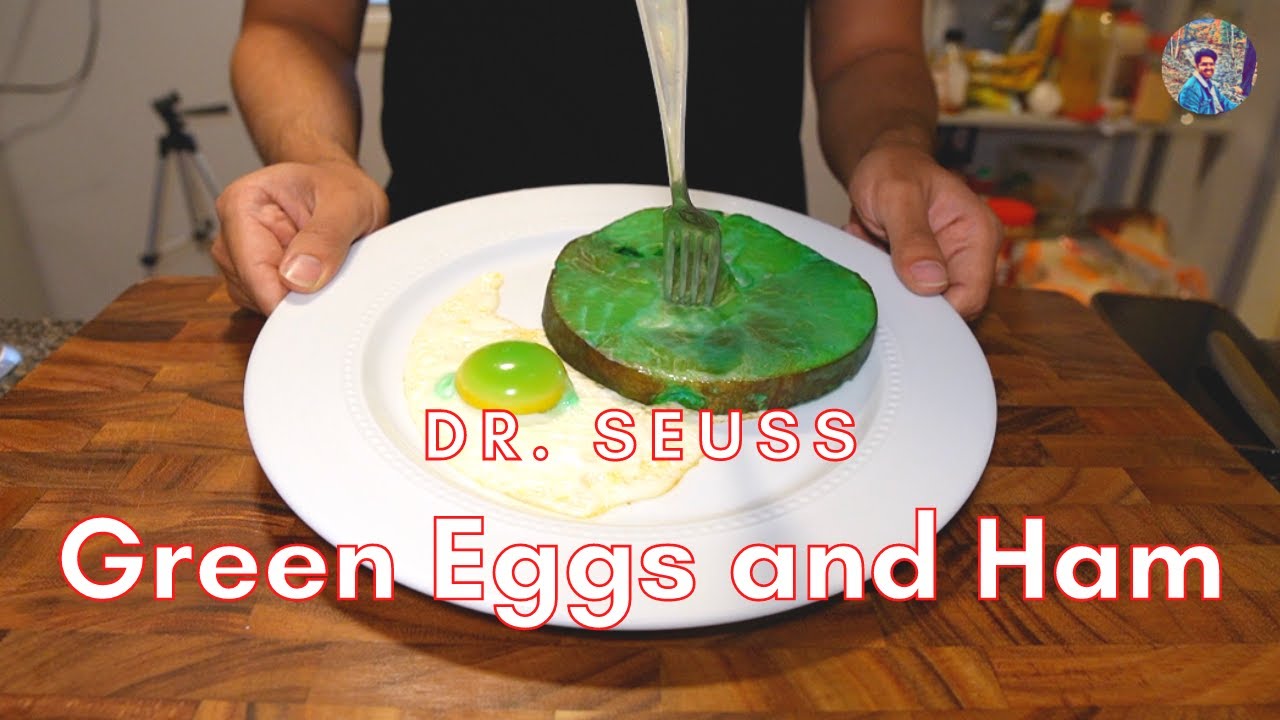
Make Green Eggs: A Whimsical Culinary Journey Inspired by Dr. Seuss
Few books have captured the imagination quite like Dr. Seuss's timeless classic, Green Eggs and Ham. For generations, the persistent Sam-I-Am and his peculiar dish have been a staple of early reading, inspiring curiosity and a touch of culinary wonder. The very thought of green eggs conjures images of playful defiance and the joy of trying something new. But what if those literary delights could leap off the page and onto your breakfast plate? Turns out, making green eggs isn't just a fantasy; it's a fun, simple, and surprisingly versatile endeavor that can add a dash of Seussian magic to any meal.
Whether you're looking to delight a picky eater, celebrate a literary milestone, or simply add a vibrant splash of color to your breakfast, creating green eggs at home is an accessible adventure. This comprehensive guide will explore various methods, offer practical tips, and delve into the fascinating world of both artificially and naturally colored eggs.
The Allure of Green Eggs: From Page to Plate
The iconic image of green eggs is deeply ingrained in our cultural consciousness. For many, the book was not just a favorite but perhaps even their very first foray into independent reading, creating a powerful nostalgic link to this unusual dish. This emotional connection is a primary driver for creative cooks, parents, and even restaurants to bring the concept of green eggs to life. It’s an invitation to playful experimentation in the kitchen, turning an ordinary meal into an extraordinary experience.
Beyond nostalgia, making green eggs offers a unique opportunity for food presentation. In a world where visual appeal is increasingly important, vibrant, unexpectedly colored food can be a delightful surprise. For children, it can be a powerful tool to encourage trying new foods, especially when paired with the beloved story. And for adults, it's a simple way to break monotony and infuse a sense of whimsy into their culinary routine.
How to Achieve That Vibrant Green: Methods & Recipes
Transforming your ordinary yolks and whites into a verdant spectacle is easier than you might think. Here are several tried-and-true methods, ranging from the straightforward to the ingeniously natural.
Method 1: The Simplicity of Food Coloring
The most direct route to brilliantly green eggs is through the use of food coloring. This method is particularly effective for dishes where the egg mixture is uniform, allowing for even color distribution.
- Best for: Scrambled eggs, omelets, frittatas, and quiches.
- How-to:
- Whisk your eggs thoroughly in a bowl.
- Add 1-2 drops of green food coloring. Start with a small amount; you can always add more if you desire a deeper hue.
- Whisk vigorously until the color is evenly distributed throughout the mixture.
- Proceed with your cooking method as usual (scramble, pour into a skillet for an omelet, or bake as a frittata/quiche).
- Tips: Gel food coloring often provides a more vibrant and concentrated color with less liquid than traditional liquid drops. Ensure thorough whisking to avoid streaks of uncolored egg. This method is quick and yields predictable results, making it perfect for a spontaneous Dr. Seuss-themed breakfast.
Method 2: Naturally Green with Spinach
For those who prefer a more natural approach or want to sneak in some added nutrition, spinach is your secret weapon. When blended or finely chopped, spinach imparts a lovely green hue and a boost of vitamins, often without an overpowering taste.
- Best for: Scrambled eggs, omelets, and even a vibrant green egg salad.
- How-to:
- Wash a handful of fresh spinach leaves (about ¼ to ½ cup per two eggs).
- For a very smooth green: Blanch the spinach quickly, then blend it with your whisked eggs until completely smooth. Strain if necessary for an extra-fine texture.
- For a speckled green: Finely chop the raw spinach and mix it directly into your whisked eggs.
- Cook as desired.
- Tips: This is an excellent tactic for picky eaters. Frame them as "Dr. Seuss's famous green eggs" and the excitement often outweighs any hesitation about the spinach. The mild flavor of spinach complements eggs beautifully, adding an earthy undertone.
Method 3: The Magical Red Cabbage Water Trick
Perhaps the most enchanting and scientific way to make green eggs comes from a surprising source: red cabbage. The anthocyanin pigments in red cabbage are pH-sensitive. While red cabbage water is purple, when introduced to the alkaline environment of egg whites, it magically turns green!
- Best for: Fried eggs or scrambled egg whites where you want a distinct, natural green color.
- How-to (Food Network Inspired):
- Place a handful of chopped red cabbage in a microwave-safe bowl with ⅓ cup of water. Microwave for a couple of minutes until the water turns a deep purple.
- Separate an egg. Pour about 2 tablespoons of the purple cabbage water into the egg white.
- Whisk the egg white vigorously until it transforms into a uniform green color.
- Heat a little oil in a nonstick skillet over medium heat.
- Add the green egg white to the pan. For a fried egg look, gently place the egg yolk on top of the green white as it sets.
- Cook until the green white is set to your liking. Plate and enjoy your naturally green eggs!
- Tips: This method creates a truly unique dish where the egg white itself is green. It's a fantastic educational opportunity for kids to see a fun science experiment unfold in the kitchen! This technique highlights the creative ways you can color your meals naturally. For more natural coloring techniques, explore Creative Green Eggs: Food Coloring, Spinach, & Cabbage Water.
Beyond the Pan: Creative Green Egg Dishes
Once you've mastered the basic methods, the possibilities for incorporating green eggs into various dishes are endless. Think beyond just scrambled or fried, and let your culinary imagination run wild!
- Green Egg Omelets: Fill your vibrant green omelet with cheese, diced ham (green ham, perhaps?), or sautéed vegetables for a truly personalized meal.
- Green Egg Frittatas & Quiches: These make excellent brunch items. Imagine a beautiful green frittata studded with bell peppers and feta, or a savory green quiche with a flaky crust. They're visually stunning and perfect for entertaining.
- Green Deviled Eggs: For a party appetizer with a twist, mix green food coloring or finely pureed spinach into your deviled egg filling. The unexpected color will be a conversation starter!
- Green Egg Salad Sandwiches: Elevate a classic sandwich by making the egg salad green. It's especially fun for lunchboxes or picnics.
The key is to embrace the fun. Whether you're serving them with a side of "green ham" or just as a standalone spectacle, green eggs are about joy and imaginative eating.
The Curious Case of Naturally Green-Shelled Eggs
While most of our discussion focuses on making the *inside* of an egg green, it's worth noting a truly remarkable natural phenomenon: chickens that lay eggs with naturally green shells! You won't find these in the supermarket's standard white or brown carton, but they are a prized possession for backyard chicken enthusiasts.
Certain chicken breeds possess a unique genetic trait that causes them to deposit a pigment called oocyanin onto the eggshell during its formation, resulting in beautiful shades of blue and green. The most famous green egg-laying chickens include:
- Ameraucanas: Known for their blue eggs, but certain varieties can produce greenish tints. They are also recognized by their muffs and beards.
- Araucanas: The original "rumpless" (tailless) chicken breed from South America, also known for laying blue or green eggs.
- Olive Eggers: These are not a pure breed but a hybrid cross, typically between a blue egg-laying breed (like an Ameraucana) and a dark brown egg-laying breed (like a Marans). The result is a stunning olive-green shell, often quite dark.
These breeds not only offer a visual delight but often come with unique temperaments and characteristics that make them fascinating additions to any flock. While standard white and brown eggs dominate commercial production due to sheer laying volume, the allure of colored eggs—especially the captivating greens and blues—has made breeds like the Olive Egger incredibly popular among hobbyists. To dive deeper into the world of chickens that lay these natural marvels, be sure to read Beyond White & Brown: Uncovering Green Egg-Laying Chickens.
Conclusion
From the whimsical pages of Dr. Seuss to your kitchen counter, making green eggs is a delightful and accessible culinary adventure. Whether you opt for the playful punch of food coloring, the healthy goodness of spinach, or the scientific magic of red cabbage water, you're sure to create a dish that sparks conversation and joy. And for those with a penchant for poultry, the natural beauty of green-shelled eggs from specialized chicken breeds adds another layer of wonder to the world of eggs. So go ahead, channel your inner Sam-I-Am, and don't be afraid to try them—you just might love those green eggs!
